

Chunks and blocks#
HTTomo divides data at two levels. The dataset is first distributed across MPI processes as chunks. Each chunk is then divided into memory-sized blocks for processing.
Chunks#
A chunk is the part of the dataset assigned to one MPI process. Distributing chunks allows multiple processes to work on the data in parallel.
on “chunk” terminology
chunk is purely an HTTomo term and is unrelated to HDF5 chunks.
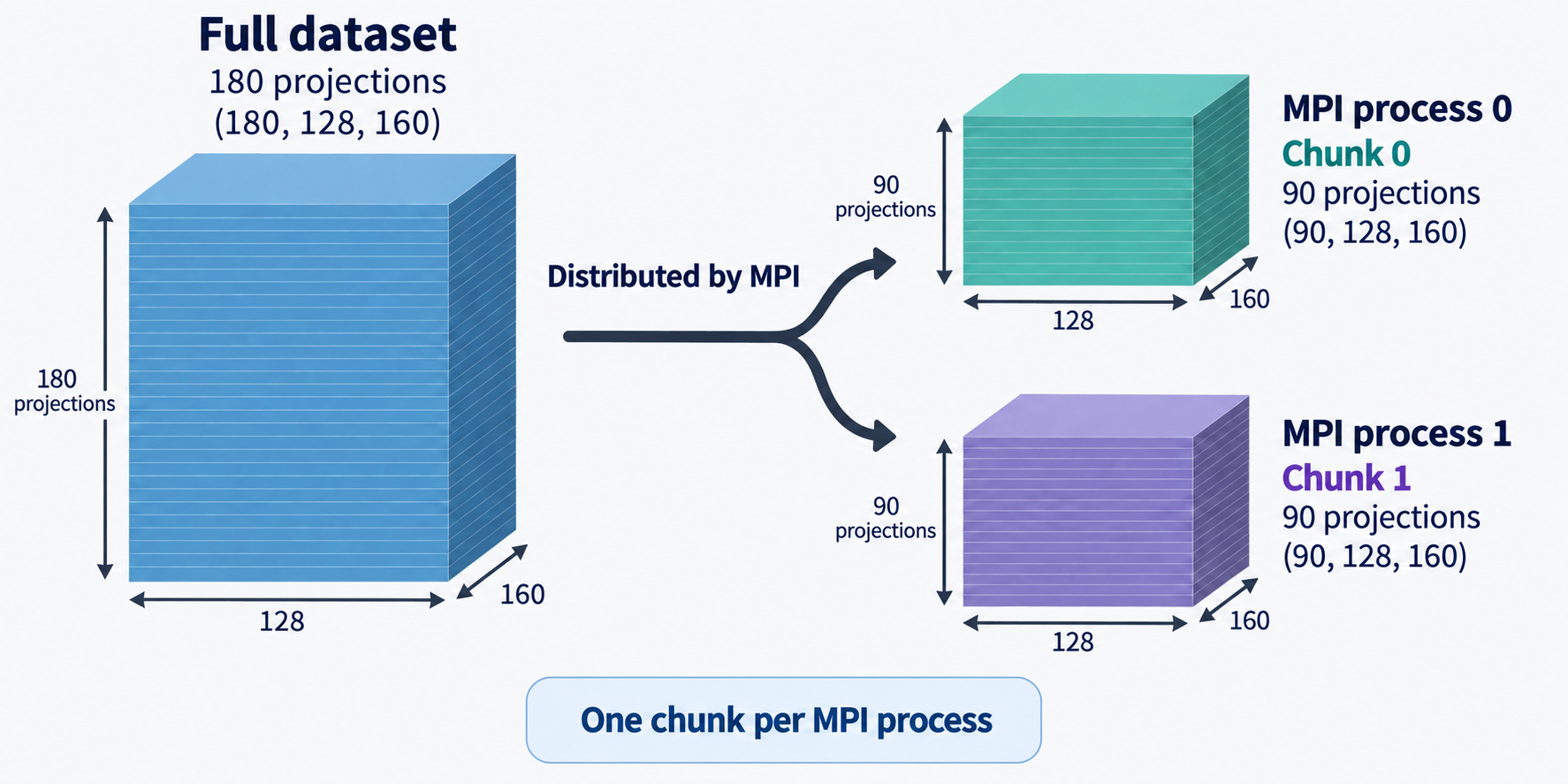
Fig. 3 Data with shape (180, 128, 160) distributed between two MPI
processes. Each process receives a chunk of shape
(90, 128, 160).#
Chunk size#
Chunk size depends on the full dataset shape, its current projection or sinogram orientation, and the number of MPI processes.
HTTomo divides the data as evenly as possible. If an equal division is not possible, the highest-rank MPI process receives the differently sized chunk.
Blocks#
A block is a smaller piece of a chunk or equal to the size of chunk. HTTomo processes blocks individually so that the data fits within the available CPU or GPU memory.
Block size#
HTTomo calculates block size at runtime using:
the available memory
the memory requirements of every method in the current section
Block size may change between sections. If sufficient memory is available, a single block can contain the entire chunk.
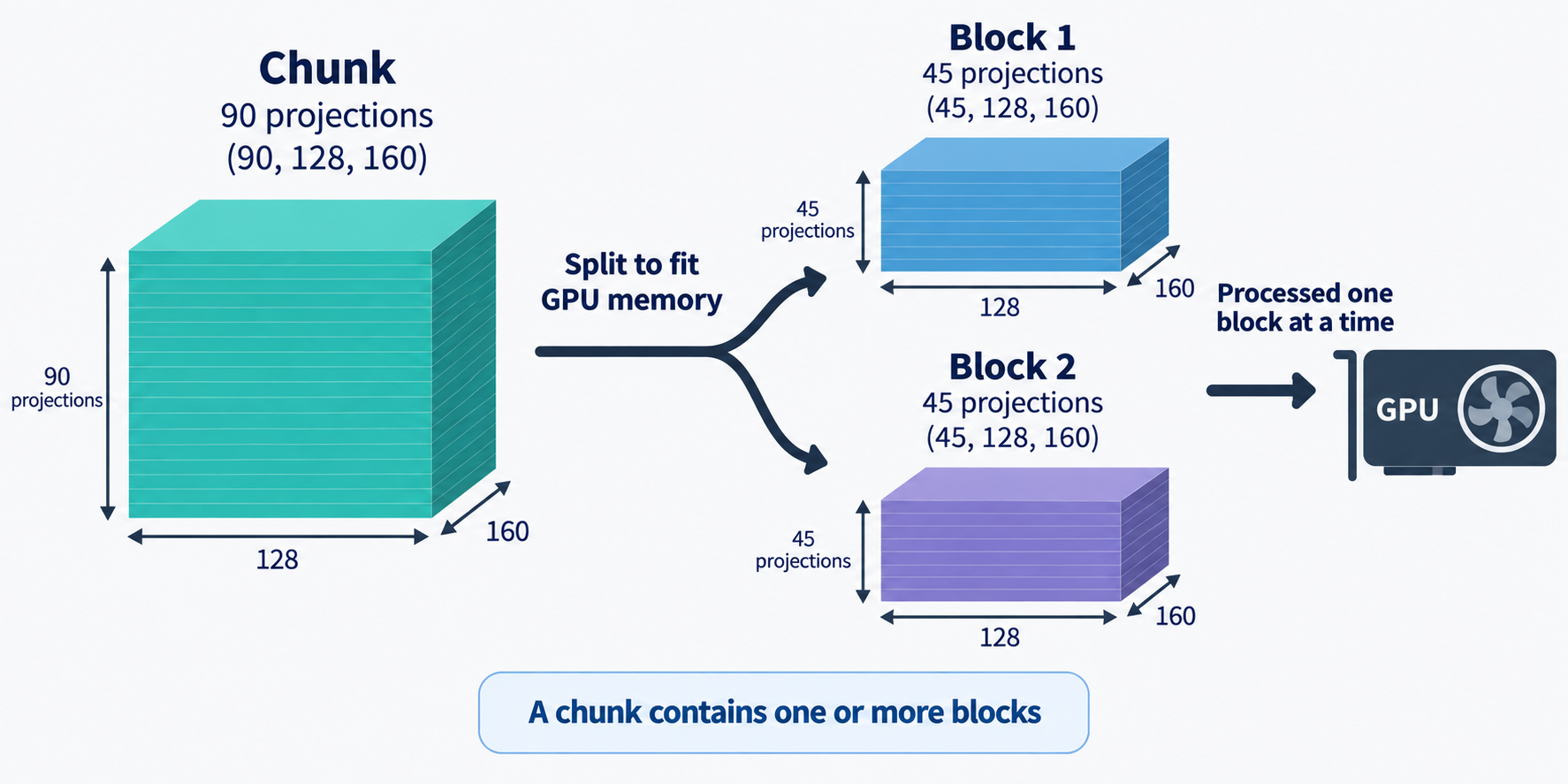
Fig. 4 A chunk of shape (90, 128, 160) divided into two blocks of shape
(45, 128, 160). Each block contains 45 projections and is processed
individually.#
Processing blocks#
Blocks are HTTomo’s main processing unit. Loaders produce blocks, methods process them and the resulting blocks continue through the pipeline.
When a chunk contains multiple blocks, they are processed sequentially.
More details about block processing
Notes on the framework’s approach to data
HTTomo’s framework has been written with GPUs in mind. More specifically, HTTomo aims to use as much available GPU memory as possible while remaining within a safe limit.
Even after data is divided into chunks, a chunk may not fit into GPU memory. Similarly, the full dataset may not fit into CPU memory. This can occur on both compute clusters and personal machines.
Why split a chunk into smaller pieces?
Each MPI process works with one chunk and is typically associated with one GPU. HTTomo cannot assume that the entire chunk will fit into that GPU’s memory.
For example, dividing a 20 GB dataset among four MPI processes produces chunks of approximately 5 GB. A cluster GPU may have enough memory for an entire chunk, while a personal GPU with 4 GB of memory would not.
HTTomo therefore divides each chunk into smaller pieces called blocks.
How are block shapes calculated?
HTTomo calculates block sizes during pipeline execution. Blocks within a sequence of methods have approximately the same shape, but their shape may change between pipeline stages.
The calculation uses information from the library files and is mainly based on:
the GPU memory available to the process
the memory requirements of the methods in the current section
Block size is expressed as a number of slices. For projection data, each process owns a chunk of projections and divides it into blocks containing a suitable number of projection slices. The same principle applies to sinogram data.
Blocks as the fundamental data quantity
Blocks are HTTomo’s main processing unit:
Loaders produce individual blocks.
Methods receive individual blocks as input.
Methods produce individual blocks as output.
If an entire chunk fits into memory, a single block may span the whole chunk. HTTomo still treats it as a block.